
Blog
How to Choose the Right Cable for Your Project: A Complete Guide

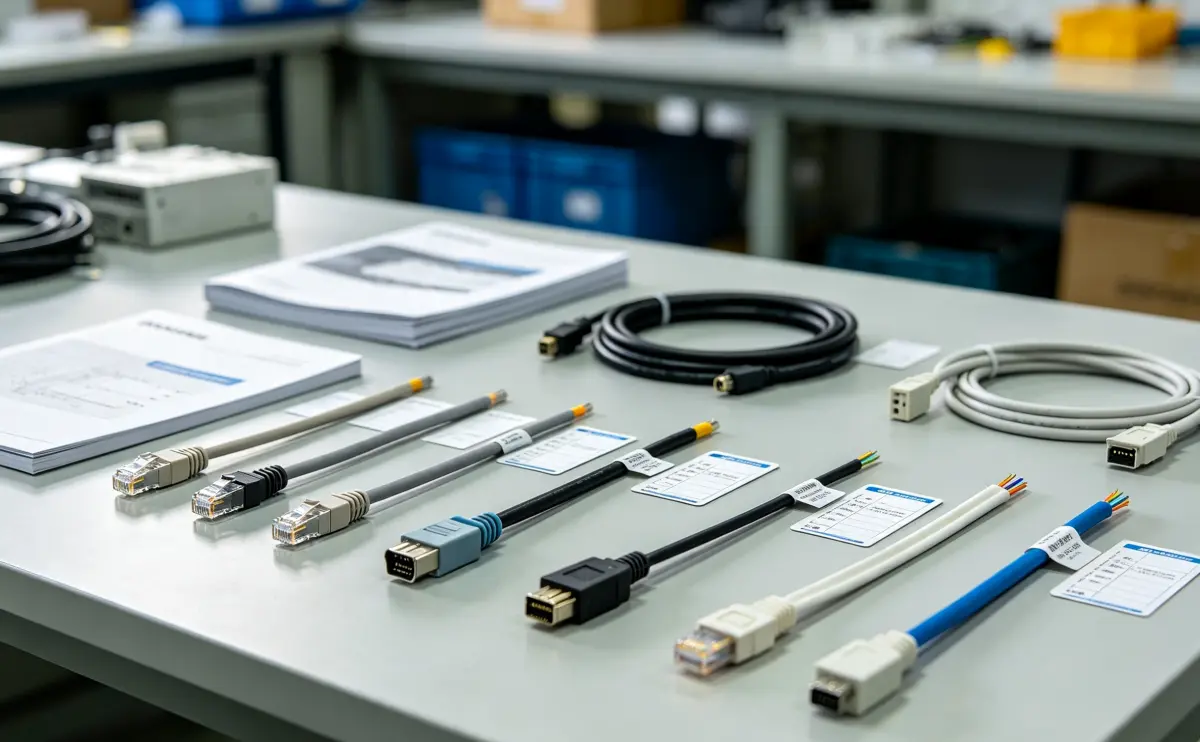
Choosing the right cable is critical to the safety, performance, and longevity of any electrical installation. With thousands of cable types available, selecting the wrong one can lead to costly failures, safety hazards, or wasted budget. This guide will walk you through the key factors to consider.
1. Understand Your Application
The first step is to define where and how the cable will be used:
-
Power transmission: XLPE, PVC, or rubber insulated cables
-
Control and instrumentation: Shielded cables with twisted pairs
-
Data and communication: Cat5e, Cat6, fiber optic
-
Special environments: Fire-resistant, halogen-free, or armored cables
2. Determine the Voltage Rating
Voltage rating must match or exceed your system requirements:
| Voltage Level | Typical Cable Type |
|---|---|
| Low voltage (up to 1kV) | PVC or XLPE insulated |
| Medium voltage (1kV-35kV) | XLPE with copper tape shield |
| High voltage (above 35kV) | XLPE with metallic sheath |
3. Choose the Right Conductor Material
-
Copper: Best conductivity, flexible, widely used
-
Aluminum: Lighter, cheaper, but lower conductivity—best for large power cables
4. Consider the Installation Environment
-
Underground: Armored cables (SWA, STA) for mechanical protection
-
Outdoor/overhead: UV-resistant and weatherproof jackets
-
Indoor: Fire-retardant or low-smoke zero-halogen (LSZH) options
-
Hazardous areas: Flame-proof and explosion-proof designs
5. Check Certifications and Standards
Ensure your cable meets international standards:
-
IEC 60502, BS 5467, ASTM, UL
-
ISO 9001 manufacturer certification
-
Third-party test reports (SGS, TUV, CE)
Need Help Selecting the Right Cable?
Send us your specifications—voltage, application, environment, and quantity. Our technical team will recommend the best cable type for your project.